With over years of experience building a wide range of digital systems and products, I’ve developed extensive expertise through every layer of the stack; focusing on designing performant, scalable, and secure applications that are a delight to use and maintain. I've curated and orchestrated semantic design systems that bring consistency across departments and projects. I've architected APIs that enforce fail-safe design patterns and contextual organization of both data structures and business logic. I always focus on building test strategies rooted in real-world scenarios and systemic weaknesses, not simply hypotheticals created to satisfy test coverage. I've built up and mentored many peers, from junior to senior, in an attempt to excel them beyond what they thought they were capable of.
Whether it's people or programming, I believe that even the most trivial challenges can be solved once they're truly understood and simplified. I enjoy untangling complexity, finding clarity in the chaos, and transforming obstacles into learning opportunities that lead to real impact.
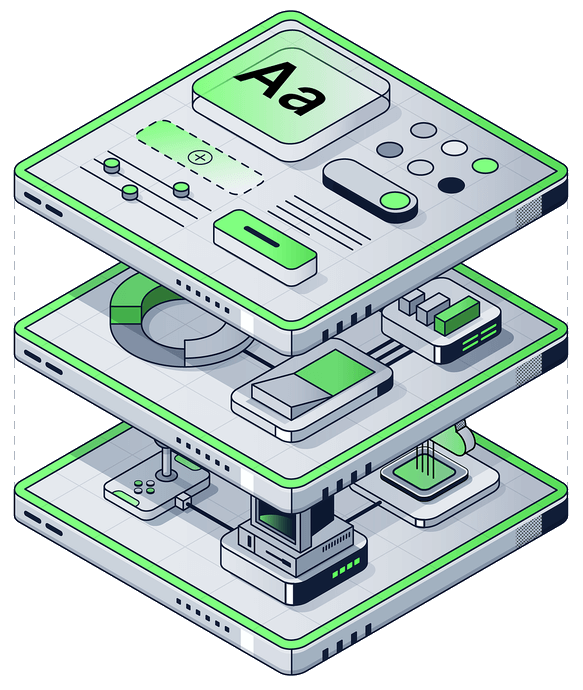
Here are some of the systems and products I've helped bring to life, each representing a unique technical challenge.
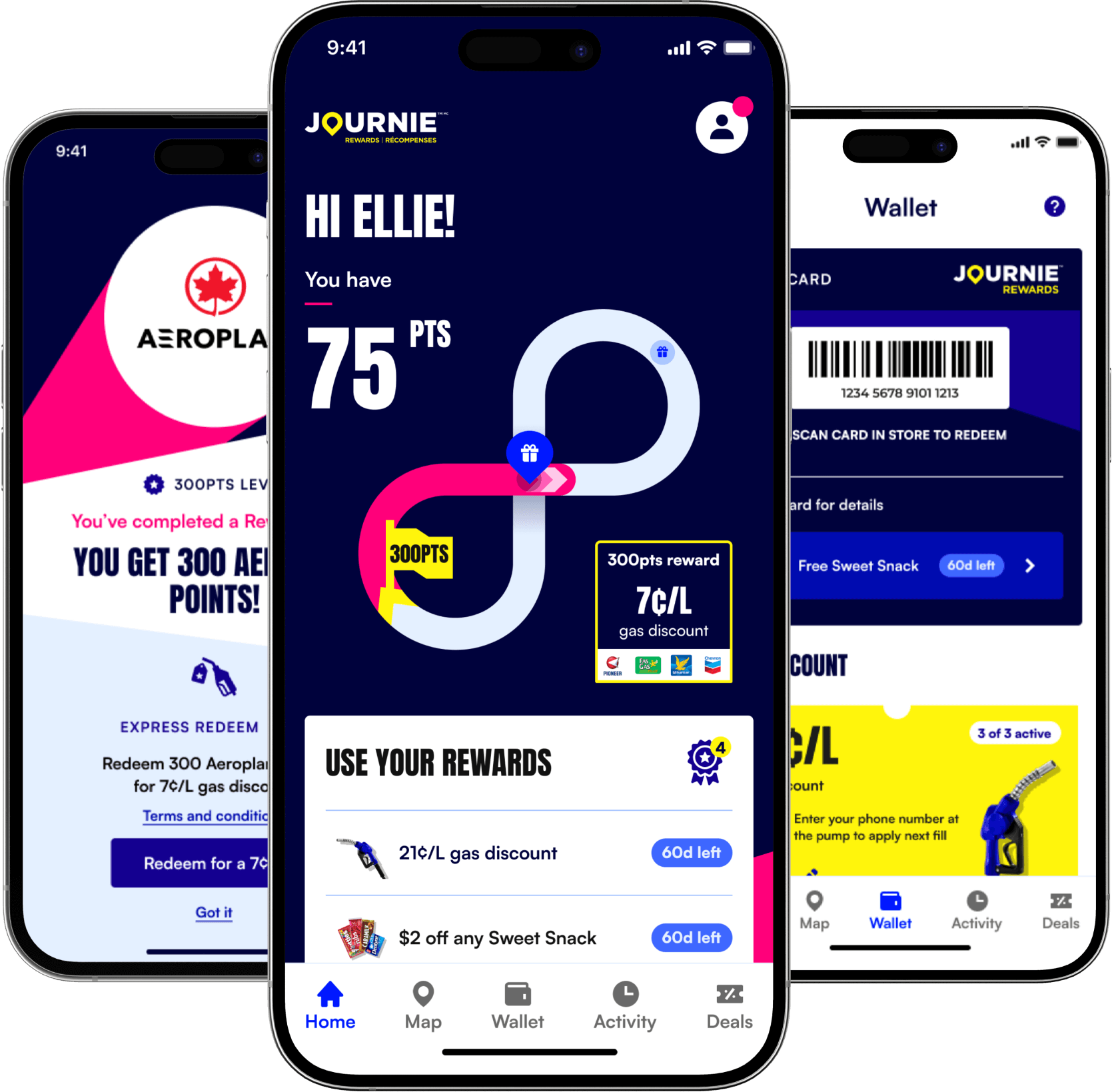
A loyalty rewards application that gives customers the ability to earn points through purchases or contests that can then be used to redeem rewards. The core branding and application architecture was completely overhauled to allow for more clear and contextual navigational structure, a more robust application lifecycle, and a much more efficient data layer. The greatest challenge was hammering out a proper semantic design system with abstractions so that it can be translated into identical components for both the design and engineering teams.
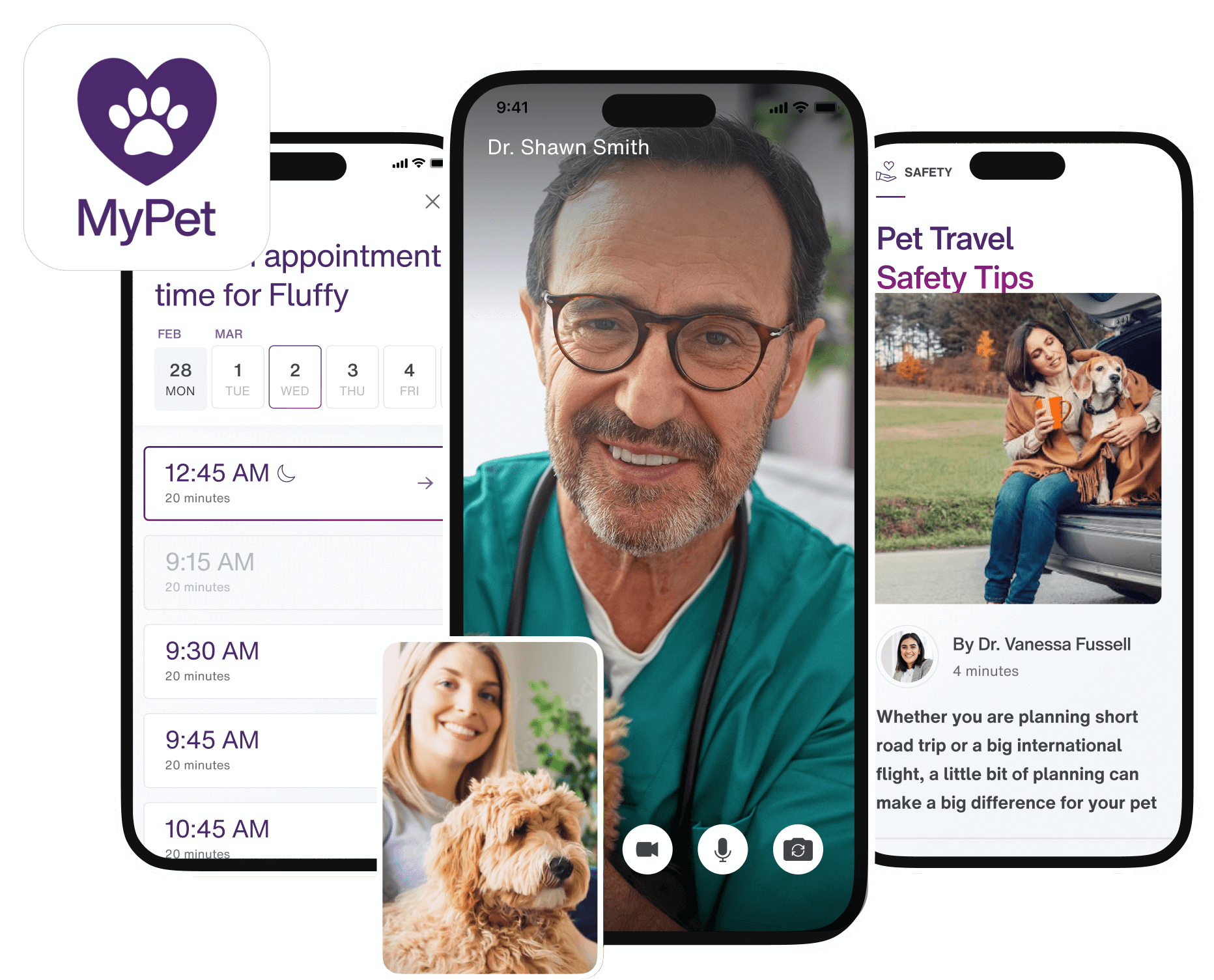
A virtual veterinarian application that provides care to cats and dogs through consultations via video call for a wide range of non-urgent issues. The ecosystem comprised of three user applications and a single API. Besides the client app, there was a portal for veterinarians to answer calls and manage schedules, an internal operations portal to handle business needs and customer requests, and an API exposing separate interfaces based on the consumer. The most difficult challenge was implementing user-facing flows that supported GDPR-driven data purging within a transaction to ensure rollback safety for regulatory compliance.
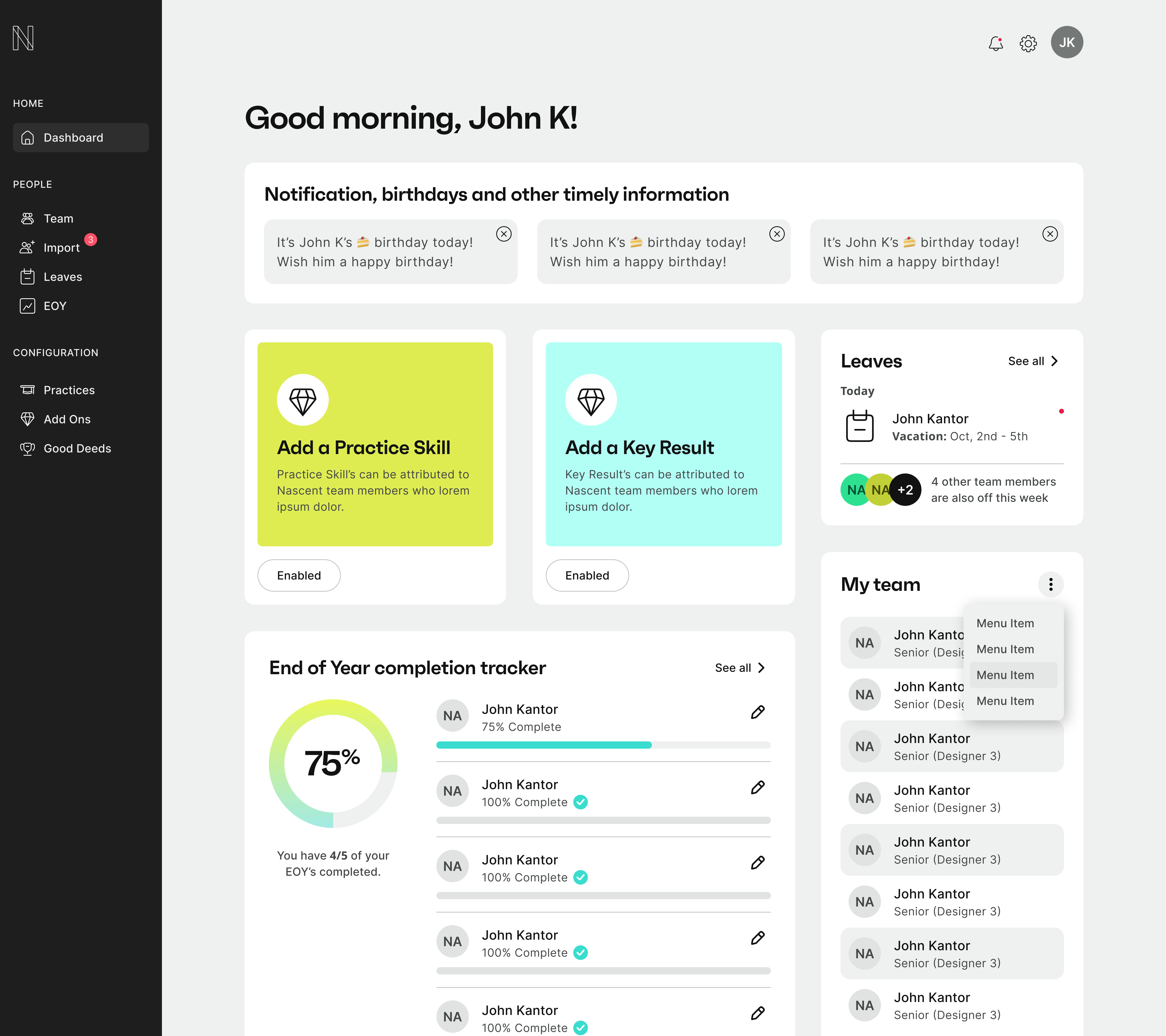
An internal management platform intended to improve and accelerate the growth of the organization. Those in leadership are able to manage resourcing for projects and track employee growth. For the employees, there is an interface to submit vacation days, see where they are in their own career ladder, and what they should focus on to get to the next level. Some complex challenges included redesigning the database schema to handle versioning of reference data used in performance metrics, and also creating a variation of the CQRS pattern to handle the growing complexity within the API as a result of the versioning.
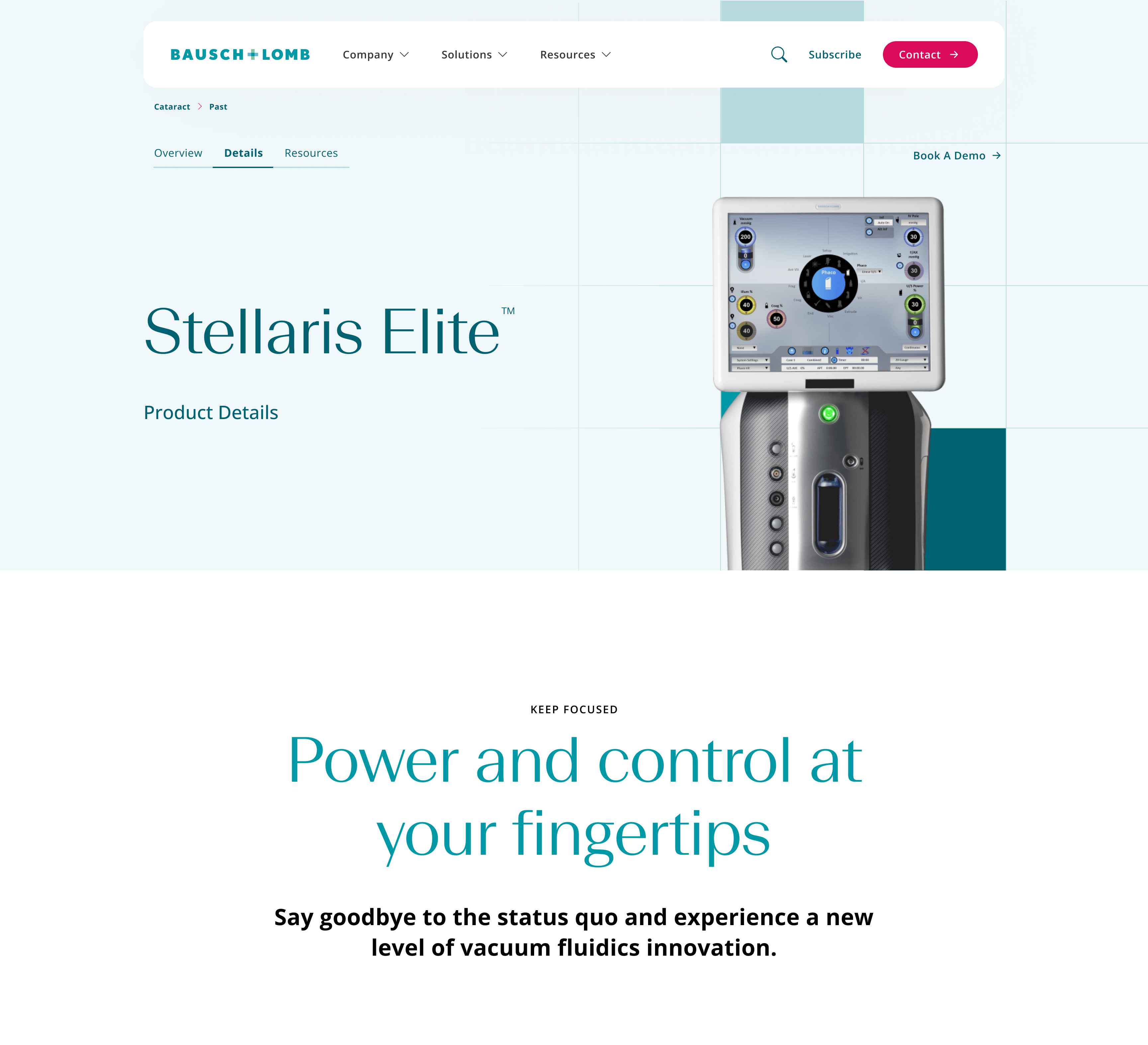
A leading global eye health company providing a comprehensive range of vision care products that wanted to improve their digital presence in the European marketplace. The website was unique in a sense that it was built with .NET in conjunction with the Optimizely CMS. It served simple HTML pages with standard CSS, Bootstrap, and JavaScript when required. An interesting challenge came up when modifying our MVCs broke the existing references within the traditional CMS. It required meticulous organization and planning of what the models represent, how the controllers should handle interaction, and what the views should encapsulate. This was also an opportunity to mentor a few developers to create something outside a framework that became a comfort zone.
A site rebuilt internally for a better public image to express what can be provided to potential clients. The website is connected to the Contentful CDN via their GraphQL API, and uses a variation of the semantic atomic design system that is constantly being improved. A very fun challenge was getting the changes from the CDN to drive the revalidation of the static content rendered by the server without having to redeploy the site itself. Since the only options for revalidation on Next.js were through timing or tags, I created an endpoint for a webhook to revalidate tagged content based on the type of tag that was changed within the CDN. This allowed on-demand surgical revalidation.